
Services
Drone security.
Informed decisions.
Independent advice on drone detection and counter-drone systems: from risk assessment and RF surveys to protection concepts and validation. Our recommendations draw on practical experience with different technologies.
Explore our services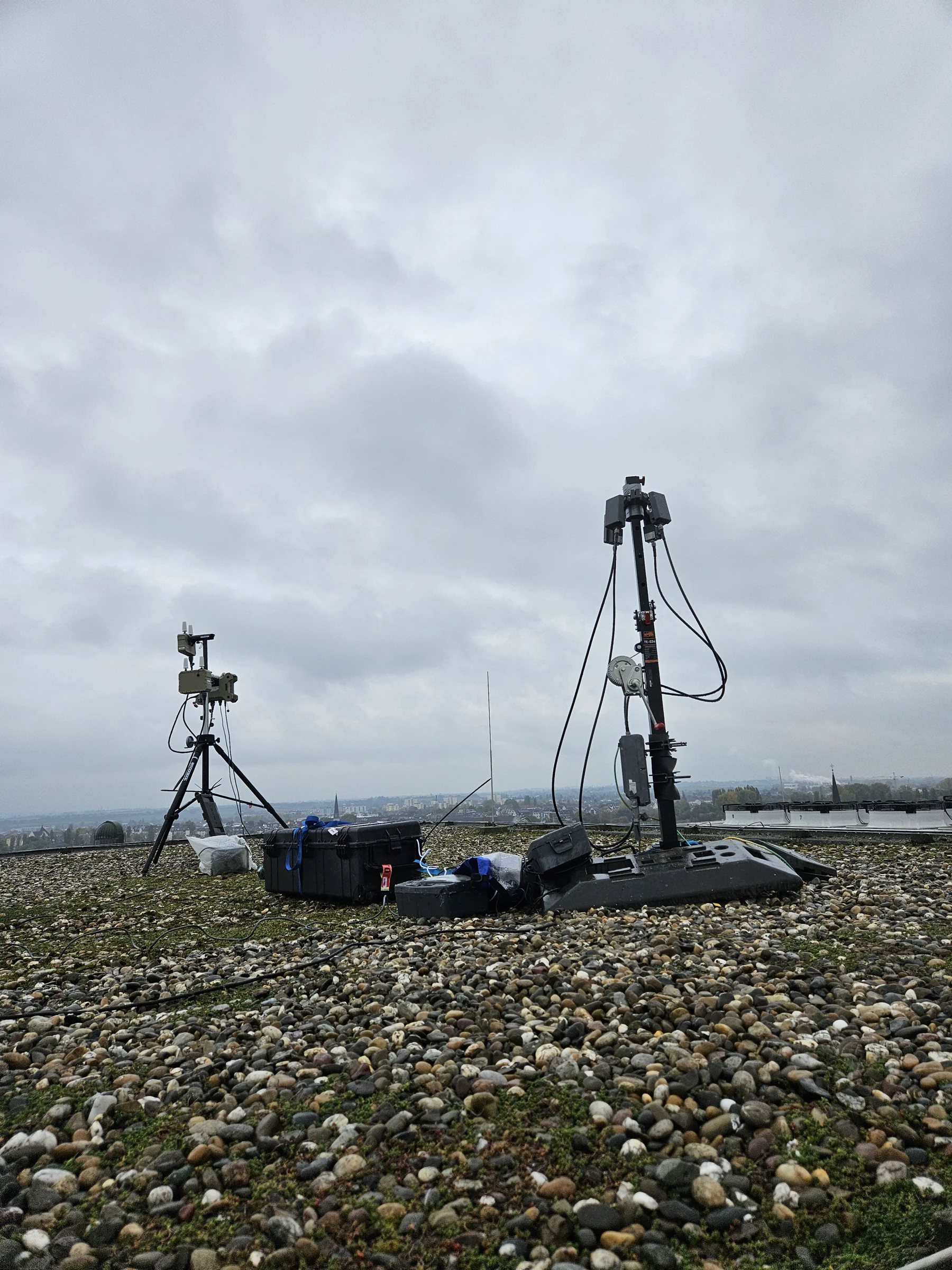
Drone security advice
Good advice starts with the system.
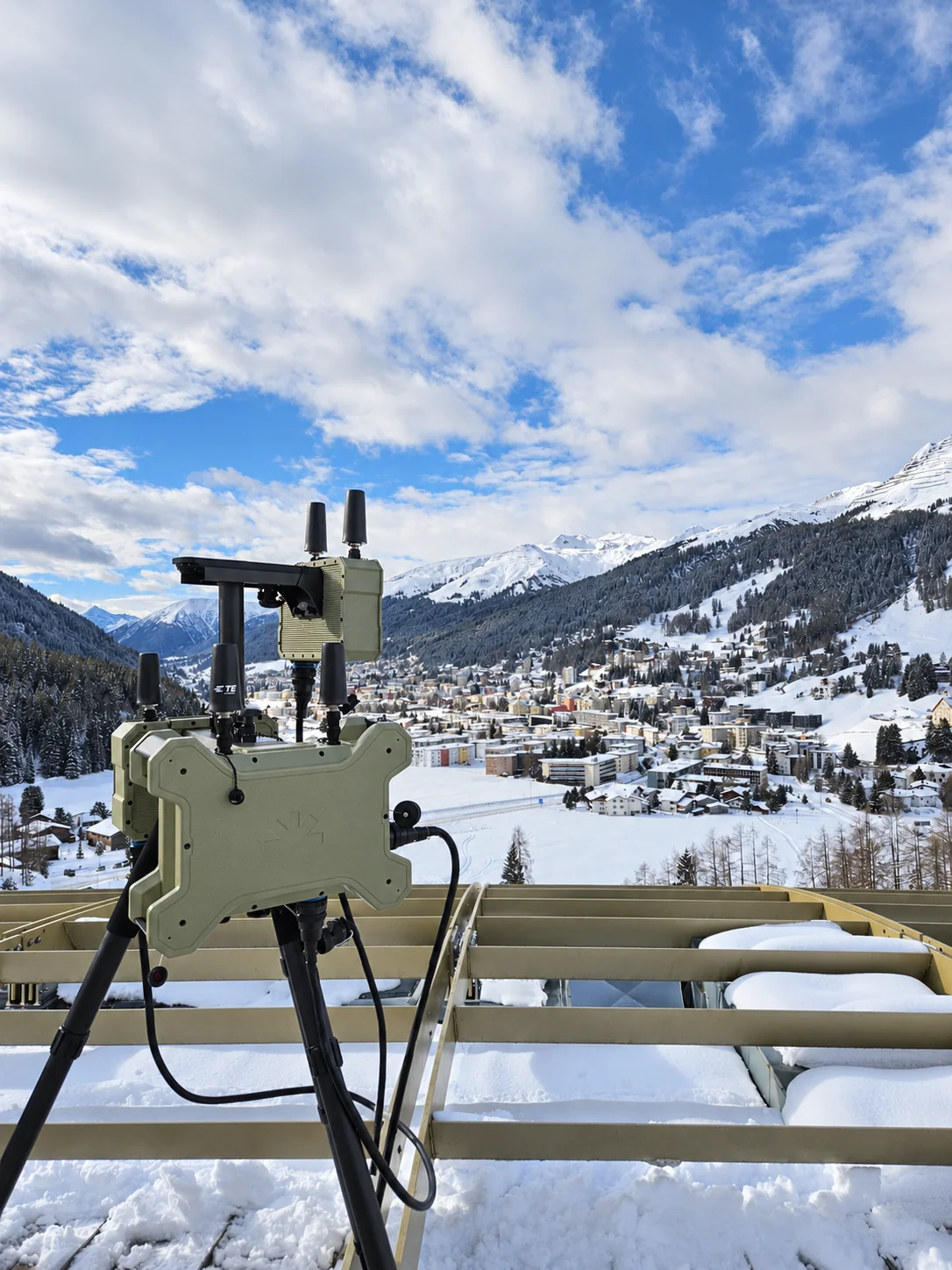
Which drone detection approach suits your site? Drawing on practical system experience, we assess technical approaches, question performance claims and review proposals. Your requirements determine the recommendation.
Your deliverables — depending on scope
- An assessment of suitable detection approaches and their limitations.
- Questions to challenge proposals and performance claims.
- Recommended next steps to support your decision.
Possible areas of focus
- Clarify technical questions
- Assess protection needs
- Review proposals independently
- Prepare system selection
- Consider operation and integration
Site analysis & RF surveys
Turn measurements into understanding.
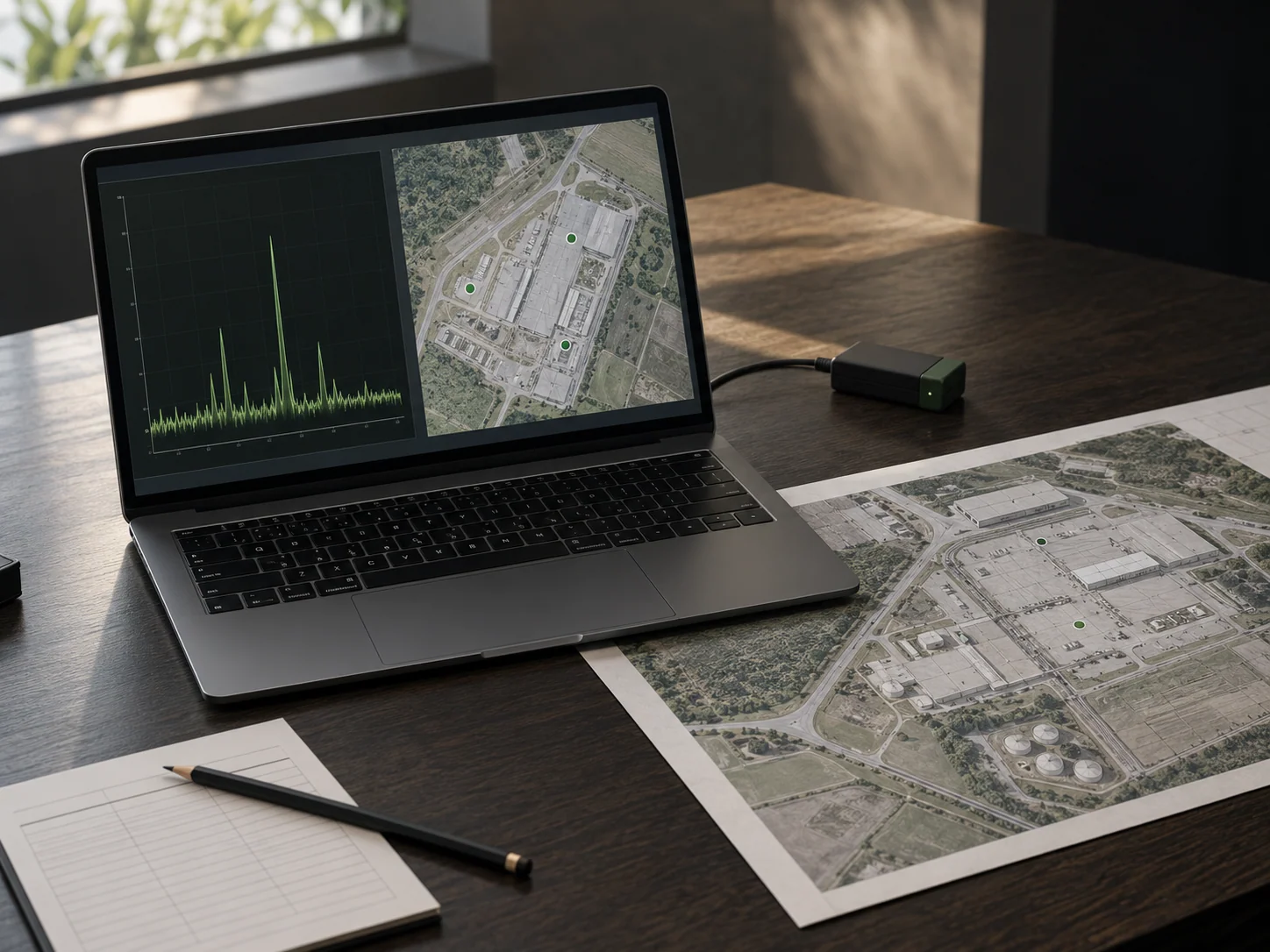
We examine the radio-frequency environment, record drone activity and assess relevant site conditions. RF site surveys help identify factors affecting sensors. We document observed activity and the limitations of the measurements.
Your deliverables — depending on scope
- Documentation of the measurement setup, period and site conditions.
- Analysis of recorded signals and events within the agreed scope.
- Interpretation of findings, data gaps and further assessment needs.
Possible areas of focus
- RF site analysis
- Measurement setup and removal
- Drone activity measurement
- Event analysis
- Measurement data analysis and reporting
Drone risk assessment & protection concepts
Build protection around your needs.
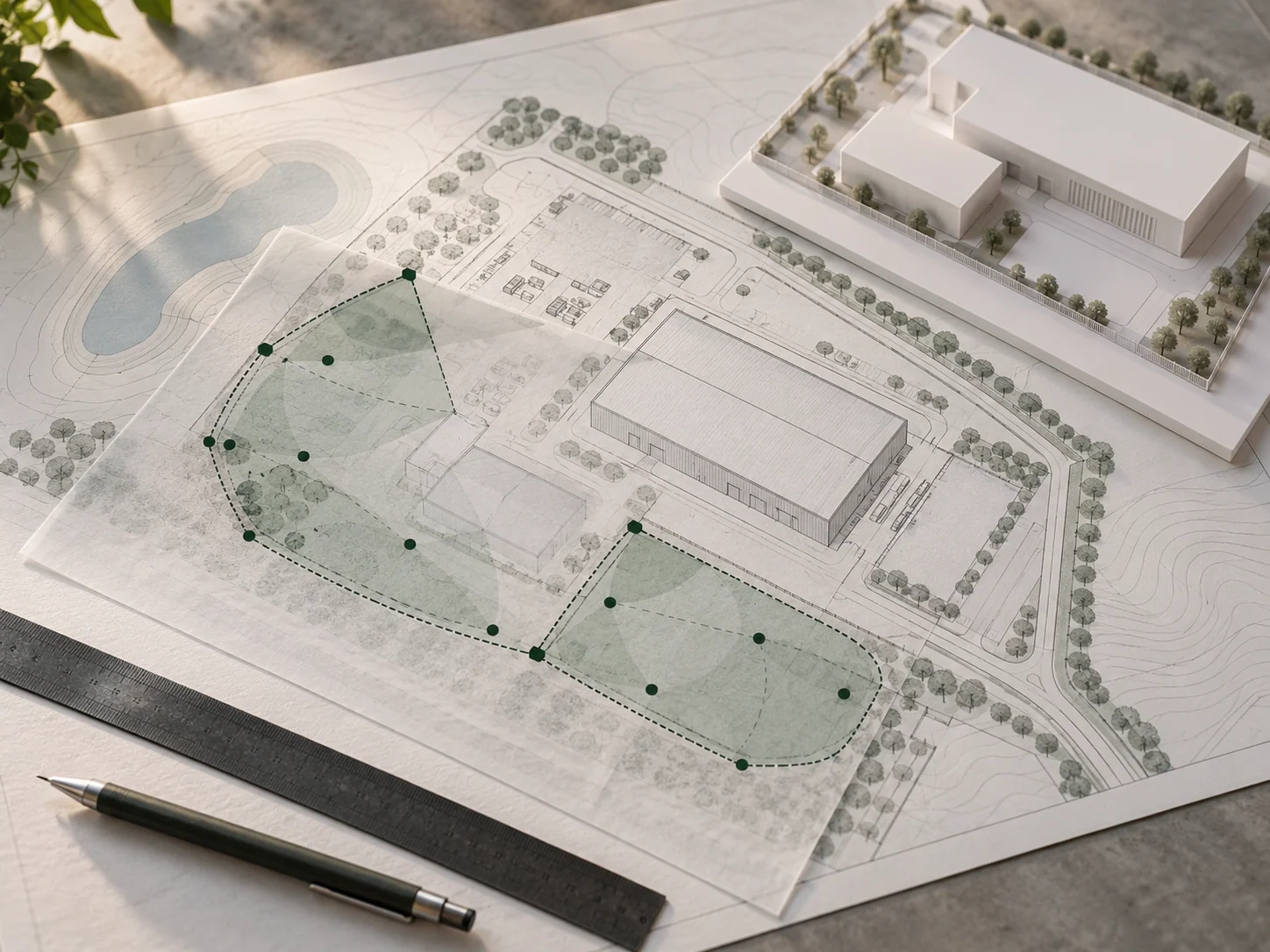
A drone risk assessment connects potential scenarios with their consequences for your site and operations. We use these findings to develop technical and organisational measures. For critical infrastructure, we also consider critical functions, dependencies, responsibilities and alert procedures.
Your deliverables — depending on scope
- Site-specific risk scenarios and prioritised protection objectives.
- A coordinated approach to detection, alerting and operational procedures.
- An action plan with responsibilities and implementation steps.
Possible areas of focus
- Drone risk analysis
- Site analysis
- Airspace analysis
- Protection concept
- Feasibility analysis
Technology & system assessment
Assess technology in context.
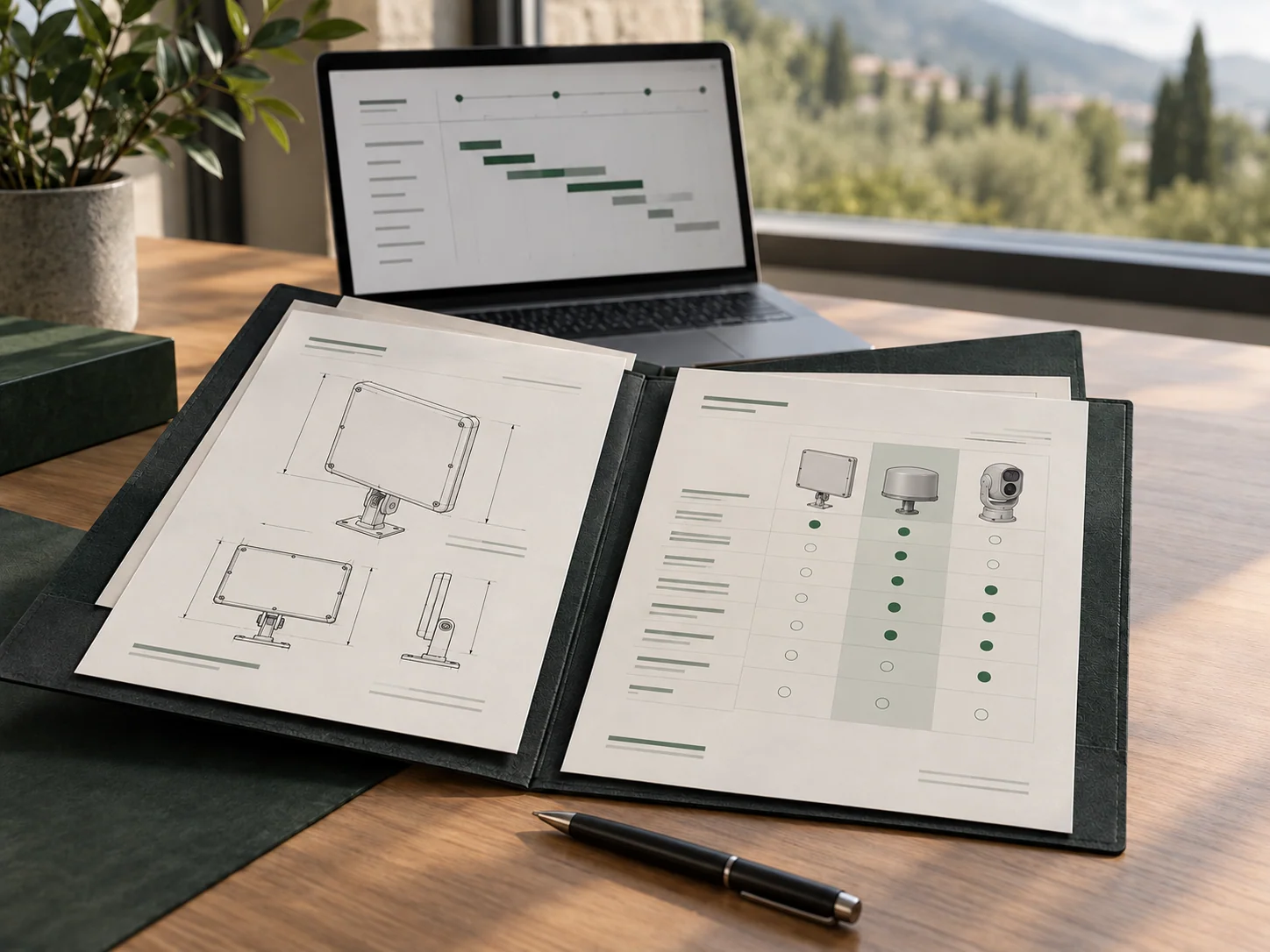
We compare drone detection and counter-drone systems against your requirements, evidence of performance and site conditions. Alongside sensors and coverage, we consider integration, operating effort and cost-effectiveness. Missing evidence becomes a clear question for testing.
Your deliverables — depending on scope
- A comparison matrix based on your technical and operational requirements.
- A clear distinction between vendor claims, supplied evidence and our own test results.
- Outstanding verification needs, integration effort and operating requirements.
Possible areas of focus
- Technology comparison
- Manufacturer comparison
- System assessment
- Performance assessment
- Cost-effectiveness assessment
Procurement & project support
Turn requirements into implementation.
We translate protection needs into testable requirements and make proposals comparable. Depending on the assignment, we support specifications, selection, project coordination and implementation. Procurement can then build on a justified concept.
Your deliverables — depending on scope
- A requirements specification with verifiable criteria.
- A transparent assessment of proposals and their gaps.
- Depending on scope: acceptance criteria and implementation support.
Possible areas of focus
- Requirements specification
- Tender management
- Proposal assessment
- Contract award support
- Project management
- Implementation support
Penetration testing, drone flights & red teaming
How well does your system really work?
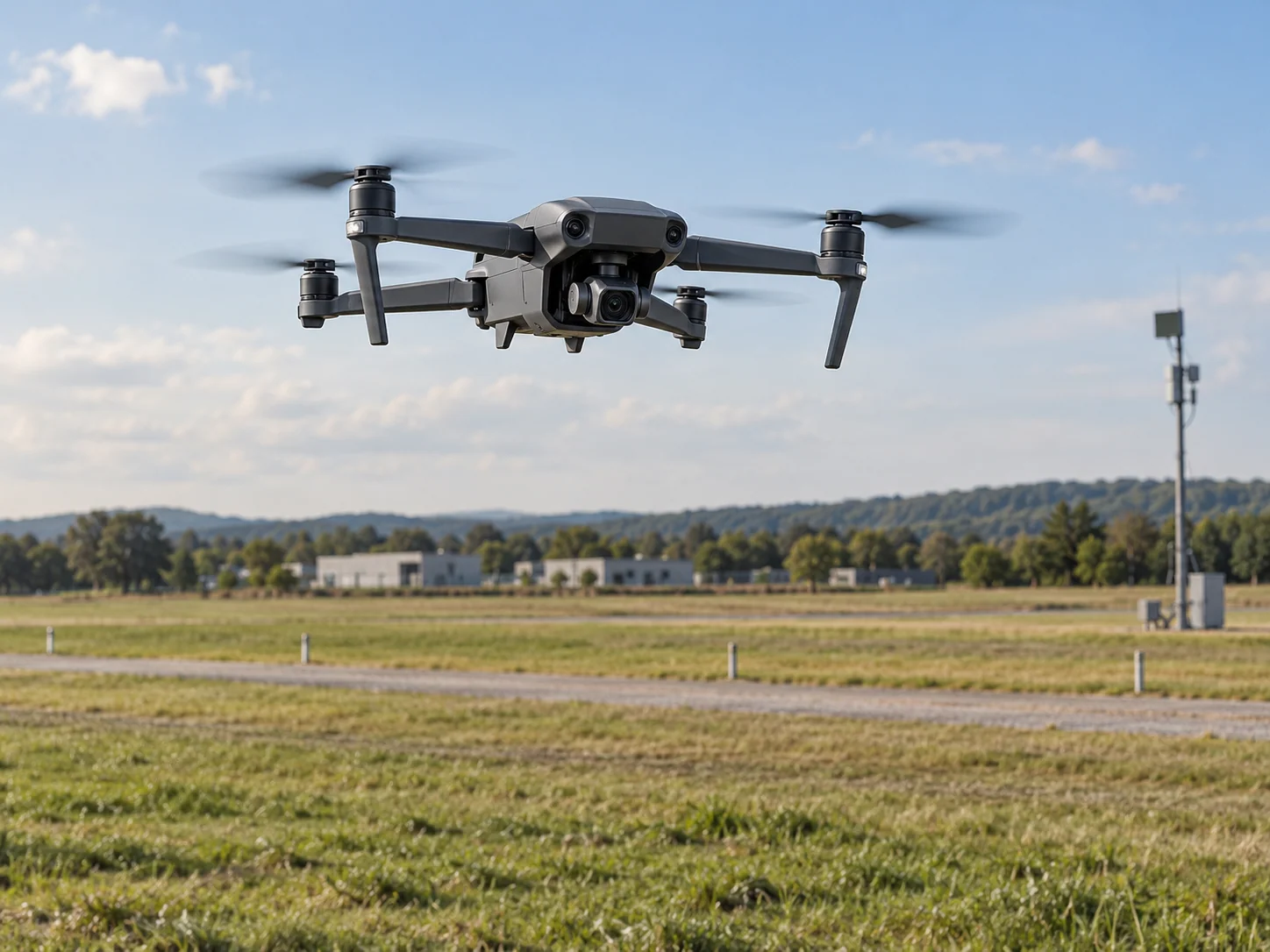
Already purchased sensors or operating a system? Through agreed drone flights and red-team scenarios, we assess how reliably it detects, tracks and raises alerts. Practical drone security testing also considers interfaces and alert procedures. Scope, authorisations and assessment criteria are agreed in advance.
Your deliverables — depending on scope
- An agreed test plan with flight scenarios and assessment criteria.
- A test record covering detection, tracking and alerting under the test conditions.
- Deviations, performance limits and prioritised actions for retesting.
Possible areas of focus
- Independently assess existing drone detection systems
- Test flights and penetration tests under an agreed plan
- Assess detection, tracking and alert paths
- Red teaming for technology and organisational procedures
- Acceptance testing and retesting after improvements
We agree the tasks, scope and deliverables before you commission us.
How we work
From the first conversation
to an informed decision.
Before work begins, we agree which question the assignment must answer, what evidence is needed and which deliverables you will receive.
Define the assignment
Clarify protection objectives, site conditions, existing systems and outstanding decisions. Agree the scope, deliverables and assessment criteria.
Build the evidence
Review documents and speak with relevant specialists. Where commissioned: carry out site visits, RF measurements or agreed system tests.
Assess the findings
Compare findings against your requirements. Distinguish measurements, assumptions and vendor claims, and identify uncertainties.
Support the decision
Discuss the findings and prioritise actions together. Record outstanding questions, responsibilities and any retesting needed.
The basis of our assessment
Practical knowledge. Traceable conclusions.
Our advice draws on hands-on experience with different drone detection and counter-drone systems, together with collaboration with experienced specialists in Germany. Recommendations for your project are based on your requirements and the documented evidence available.
Explore our approach- System experience
- Assess technical approaches and integration questions through practical experience.
- Transparent assessment
- Identify the source, measurement conditions and assessment criteria behind each conclusion.
- Explicit limitations
- One tested scenario does not establish complete coverage. Untested characteristics remain clearly identified as open questions.
Services for critical infrastructure
Understand the network.
Set the priorities.
Distributed critical infrastructure needs more than a product for every site. We analyse site types and critical functions, identify where further measurements are useful and turn the findings into proportionate protection concepts.
Our approach for critical infrastructureAnalysis, selection and testing
What to know
before you start.
How does a drone risk assessment differ from drone detection?
A risk assessment examines potential scenarios and their consequences. Drone detection is a technical measure for identifying activity. Whether sensors are needed, and which types are suitable, follows from protection needs and site conditions rather than a product's range alone.
Does every critical infrastructure site need the same technology?
Different functions, consequences and site conditions may require different measures. We assess the network, prioritise sites and identify where detailed surveys would be useful. Read about analysis and protection concepts for distributed critical infrastructure.
What can test flights demonstrate?
Agreed test flights show how a system detects, tracks and raises alerts under the conditions tested. Findings apply to the documented scenarios; they do not guarantee performance against every drone in every environment. Deviations help identify further testing or improvements.
We have already purchased sensors. Can you assess them independently?
Yes. Our penetration tests and system assessments also serve operators of existing technology. AIRUAS does not need to have supported the purchase. We first agree testing objectives, system access, documentation and permitted scenarios.
Personal. Independent. Grounded in practice.
Let’s make it
concrete.
A site, a proposal or a technical question. Let us work out your next step.
Request an initial consultation
Tell us briefly what you have in mind. We will get back to you.