
Many small facilities.
Protection has to work beyond a single large site: distances, different conditions and limited staff shape what is feasible.
Critical infrastructure · KRITIS
Critical infrastructure is often spread across many smaller facilities. We help operators analyse drone risks, set priorities and plan protection that fits their sites, operations and budgets.
Explore the approach Legal framework & operator duties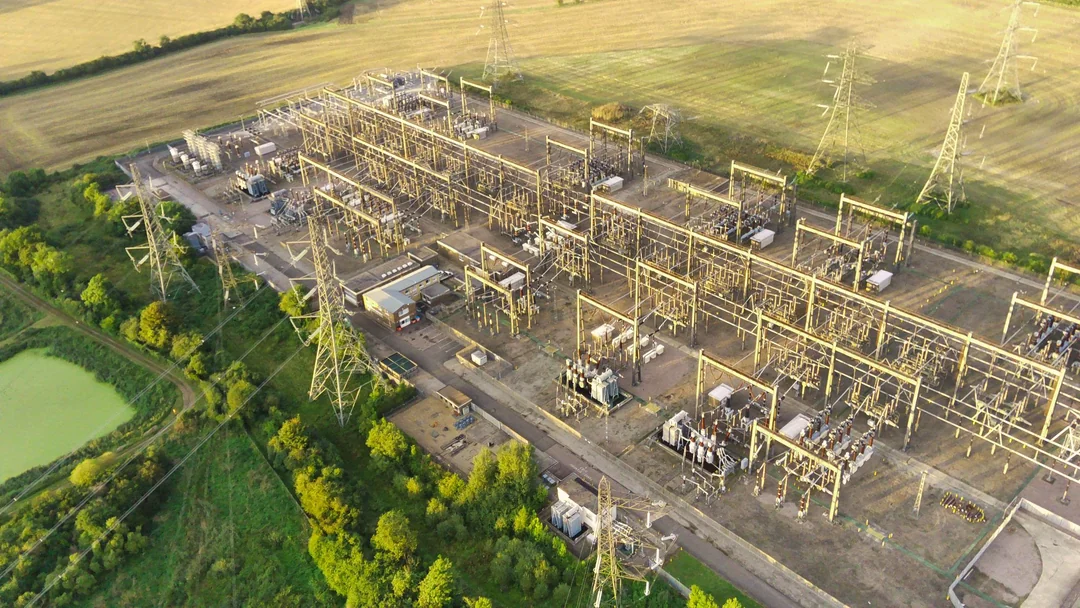
Protection has to work beyond a single large site: distances, different conditions and limited staff shape what is feasible.
Every solution involves more than the purchase price: integration, ongoing operation, maintenance and staffing also draw on the operator’s budget.
An initial analysis shows where to look more closely. A tailored concept turns the findings into priorities and manageable implementation steps.
Critical infrastructure · Distributed sites
A network of substations, pumping stations or smaller facilities needs a coordinated approach. Many operators have to fund investment, operation and maintenance from their own budgets. That makes the right starting point essential: analyse the need, then plan the measures.
We review site types, critical functions, existing protection and local conditions. Comparable sites can be grouped, while differences remain visible.
We assess drone scenarios, potential operational consequences and the information still needed. Together with you, we identify where deeper analysis, measurements or technical measures should come first.
We develop a phased protection concept with requirements for technology, alarm handling and operation. Purchase, integration, maintenance and staffing are considered together. A pilot can test the approach before wider procurement.
A protection concept should work across your sites — and remain manageable in daily operation.
Discuss your site networkSite-specific planning for operators, for example in:
Our approach
Practical system experience, current market knowledge and vendor-neutral assessment. The starting point is always your operating environment.
Analysis
Assess critical functions, surroundings and the radio-frequency environment. Review existing information and identify the measurement data needed for a sound assessment.
Deliverable: a site profile identifying critical functions and justified survey needs.
Site analysis and measurementsConcept
Plan detection, alerting, responsibilities and interfaces as one process. Define requirements and priorities together with the operator.
Deliverable: prioritised protection objectives and a technical and organisational action plan.
Risk and protection conceptsTechnology
Compare sensor approaches and vendors independently. Assess coverage, integration effort and evidence of performance against your site requirements.
Deliverable: a requirements and assessment matrix identifying outstanding evidence.
Technology and system assessmentValidation
Use coordinated test flights and red teaming to assess detection, tracking and alerting together. Coordinate testing and evaluation with ongoing operations.
Deliverable: a test record with deviations and recommendations for remediation or wider deployment.
Testing and validationCritical infrastructure · Legal framework
Technical capability must fit the legal framework. Risk analysis, lawful detection and clear response procedures belong ahead of procurement.
Germany · Sources checked on
The German KRITIS Framework Act has been in force since 17 March 2026. Operator obligations apply in stages. BBK implementation update (German)
Assess risks, plan physical protection, define alarm procedures and train staff: section 13 lists measures of this kind. Separate approvals may still be required. Section 13 KRITISDachG
Detection is not covered by one blanket permission. RF systems require assessment of interception restrictions; transmitting equipment requires lawful spectrum use; personal image data requires data protection assessment. A product description alone does not establish lawful use. Section 5 TDDDG · Section 91 TKG · DSK: video surveillance
Critical infrastructure status does not generally authorise jamming, taking control of or forcibly stopping third-party drones. Active measures need a valid legal basis; radio operations must also comply with spectrum rules. The KRITIS Framework Act is not a general permission to use jammers. Bundestag: operator powers · Spectrum rules
The Act contains no separate catalogue of drone scenarios. Its scope includes hybrid and hostile threats. Section 13 lists environmental monitoring, detection devices and alarm procedures as possible measures. This does not impose a blanket obligation to buy a particular counter-drone system.
The operator risk analysis must be updated when necessary and at least every four years. Measures must be proportionate: effort, risk and the operator's financial capacity must be considered, with the reasoning recorded in the resilience plan.
Act · Section 11: risks · Section 12: operator analysis · Section 13: measures
The classification of the particular facility is decisive. Small sites are not automatically covered. According to the BBK information checked, the identification ordinance is still being prepared and registration under the Act is not yet mandatory.
Once the reporting duty applies, incidents as defined by the Act must be reported without delay and within 24 hours; a detailed report is due within one month. A drone sighting is not automatically such an incident. Existing sector-specific duties remain relevant.
BBK: implementation and scope · Section 8(7): deadlines · Section 18: reporting
No. Section 21h LuftVO sets area-specific conditions. Flights above and within 100 metres horizontally of industrial facilities and central energy generation or distribution facilities generally require the express consent of the competent body or facility operator. Additional rules and official exemptions require case-specific assessment. A flight restriction does not itself grant interception powers.
Policy review, not a blanket operator permission: On 26 February 2026, the Bundestag called for an examination of legally defined detection and counter-drone powers for critical infrastructure operators.
On 7 September 2026, the Federal Interior Ministry confirmed discussions with state governments and other ministries to prepare a possible legislative proposal enabling private operators to take counter-drone action themselves. That announcement is not itself a legal basis for deployment. Expanded public authority powers do not automatically extend to businesses.
General orientation on German law, not individual legal advice. AIRUAS provides technical analysis and concept development. Confirm the lawfulness of a specific deployment with qualified legal advisers and the competent authorities. Recheck the legal position before implementation. Linked official sources are in German.
Your basis for a decision
Not every site needs the same technology. Within the agreed scope, we provide a basis for weighing risks, measures and investment across your network.
Explore procurement and system testingA site inventory, information about critical processes and existing security systems, and contacts from operations and security. We clarify missing information and necessary surveys at the start.
The report identifies data sources, assumptions and assessment criteria. Our own measurements or tests are documented with their conditions; unverified vendor claims remain clearly labelled.
The photograph illustrates an operating environment; it is not an AIRUAS client reference. Sector background: BBK · Critical infrastructure sectors.
Personal. Independent. Grounded in practice.
A site, a proposal or a technical question. Let us work out your next step.
Tell us briefly what you have in mind. We will get back to you.